
Ποδολογικά Εργαλεία / Podiatry Tools
The Pediatric Foot: Special Characteristics and Small-Sized Tools
1 November 2026 · 10 min read
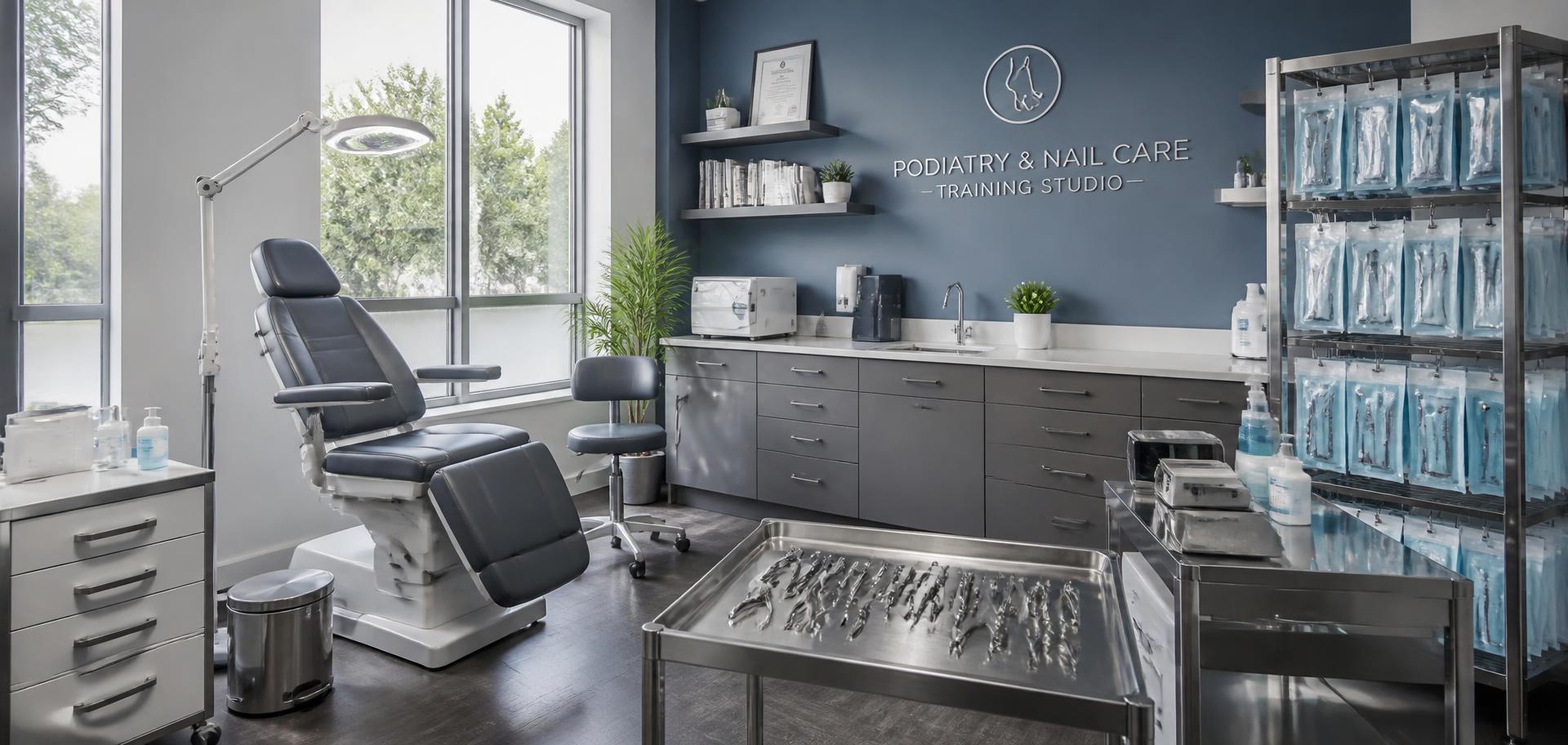
A practical guide to safe, controlled, child-centered nail care, emphasizing assessment, small-sized tools, hygiene, and professional scope of practice.
Why the Pediatric Foot Requires a Different Approach
A child’s foot is not simply a smaller version of an adult foot. The toes and nail plates are smaller, the skin is generally more sensitive, and the child may find it difficult to remain still or explain what they feel. Professional care therefore requires gentle handling, excellent visibility, and tools matched to the anatomical scale.
The aim of an aesthetic or supportive care session is to manage nail length and edges safely, without aggressive intervention in surrounding tissues. The professional does not replace a pediatrician, dermatologist, or other qualified healthcare professional and should not make a diagnosis.
Assessment Before Any Procedure
A brief history from the parent or guardian supports appropriate planning. Ask about recent injury, pain, bleeding, allergies, known skin conditions, and previous reactions to products. Observe the foot before applying any material.
Pay particular attention to:
- nail length, shape, and direction of growth,
- the condition of the lateral nail folds,
- redness, swelling, warmth, or discharge,
- scratches, blisters, fissures, or recent trauma,
- unusual color, thickness, or separation of the nail plate,
- the child’s cooperation and ability to keep the foot still.
Pain, bleeding, visible inflammation, discharge, significant nail changes, or suspected infection are reasons to postpone an aesthetic service and refer for appropriate assessment. The same applies when there is a complex medical history or the professional cannot work with full control.
Selecting Small-Sized Tools
A small working area demands precision. From the Children’s Scissors category, choose a tool with controlled cutting action, a comfortable grip, and a design that limits accidental tip contact with the skin. The Staleks SBC-11/8 baby nail scissors are a representative example of a dedicated tool for small nails.
Useful selection principles include:
- Short, narrow cutting section: improves visibility and shortens the cutting path.
- Rounded tips where appropriate: reduce the risk of accidental skin contact.
- Smooth joint action: allows predictable movement without sudden closure.
- Ergonomic grip: keeps the wrist neutral and control steady.
- Small filing tool: a fine, gentle file such as the 155mm laser nail file may be used with minimal pressure to smooth edges, provided its size and surface permit controlled access.
“Small” does not automatically mean safe. A tool must be well maintained, correctly aligned, free of burrs, and suitable for the specific task. Do not use a large adult nail nipper on a very small nail plate, as it restricts visibility and may remove more material than intended.
Cutting and Filing Technique
Work in a well-lit area, with stable support beneath the lower leg and heel. The parent may remain nearby but should not hold the foot in a way that creates sudden resistance. Explain each step in simple terms and show the closed tool before using it.
A safe workflow includes:
- Cleaning and fully inspecting the foot visually.
- Stabilizing one toe at a time without excessive pressure.
- Making small, consecutive cuts rather than one deep cut.
- Retaining a short free edge where practical.
- Gently smoothing only the areas that catch.
- Performing a final check of lateral edges and surrounding skin.
For toenails, a relatively straight line adapted to the natural anatomy is generally preferred. Avoid deeply rounding the corners or “digging” into the lateral folds. Do not remove living cuticle tissue or insert a sharp instrument beneath the nail plate. Filing should be brief, low-pressure, and free from repeated friction against the skin.
The Child’s Cooperation Is a Safety Criterion
Technical skill is not enough when a child is frightened or moves unpredictably. Schedule a short appointment at a time when the child is not tired or hungry. Offer simple choices, such as which foot to begin with, without offering options that compromise safety.
Helpful practices include:
- using neutral language instead of words such as “cut” or “hurt,”
- demonstrating the movement on a practice model or glove,
- taking frequent short pauses,
- stopping immediately if the foot is suddenly pulled away,
- praising cooperation without pressure or restraint.
If stillness cannot be maintained for a few seconds, postpone the procedure. Completing the service is never more important than maintaining control of the tool.
E-File and Rotary Instruments
Using an e-file on a child’s nail is not a routine choice. The small surface, sensitivity, and possibility of sudden movement leave little margin for error. If the procedure falls within the practitioner’s training and professional scope, it requires very low pressure, brief contact, an appropriately small bit, continuous visibility, and effective dust management.
Do not use a rotary instrument if the child is uncooperative, the skin is injured, or the indication is unclear. For simple length maintenance, correctly selected scissors and a gentle file often provide greater control.
Hygiene, Reprocessing, and Organization
Pediatric tools should follow the same strict reprocessing protocol as all reusable instruments. Always follow the manufacturer’s instructions, material compatibility information, and applicable local requirements.
Depending on the instrument and protocol, the workflow includes:
- using suitable personal protective equipment,
- safely transporting used tools,
- cleaning and thoroughly drying them,
- visually inspecting joints and cutting surfaces,
- packaging and sterilizing where required,
- clean, dry storage with traceability.
The pink 75x100mm Kraft sterilization pouches with indicator are conveniently sized for small tools, provided they are compatible with the selected method and are not overloaded. A chemical indicator provides information about process exposure; by itself, it is not proof of sterility. Single-use consumables must not be reused.
Common Mistakes to Avoid
- Choosing a tool merely because it is “small,” without checking its cutting geometry.
- Cutting too close to the hyponychium or too deeply into the corners.
- Continuing when the child repeatedly pulls the foot away.
- Using force to remove hard or thick nail material without prior assessment.
- Prolonged or aggressive filing that creates heat and discomfort.
- Omitting documentation, guardian consent, or aftercare guidance.
At the end, advise the guardian to keep the feet clean and dry, use correctly fitting footwear, and avoid cutting deeply into the corners. If pain, redness, swelling, discharge, or a persistent change occurs, appropriate professional assessment is recommended.